

Stories from the recovery journey
Articles, reflections, and research on addiction, recovery, and the role of digital support. Written for clinicians, alumni, and anyone navigating these paths.

Relapse prevention: how to see a relapse coming before it arrives
A relapse often starts weeks before the first drink. How to read the warning signs and what belongs in your plan.

After Clinic Discharge: Why the First Weeks Matter So Much for Recovery Journeys
The first weeks after discharge decide whether what you learned holds at home. What shapes this phase, and how to spot a difficult moment coming early.

Understanding the Link: Mental Health Challenges and Substance Use
Many people use substances to quiet something they were never diagnosed with. How undiagnosed mental health conditions lead into substance use patterns.

ADHD and Addiction: Unseen Connections and Pathways to Deeper Understanding
ADHD and substance use overlap far more often than either gets diagnosed. Why the link is so easily missed, and what a clearer picture changes in recovery.

Therapists supporting individuals in addiction recovery: Understanding physiological markers and what valuable insights they offer
Heart rate variability reflects how loaded the autonomic nervous system is. What HRV can tell therapists about stress and regulation during recovery.

Digital Biomarkers in Recovery: Understanding Your Body's Signals
Sleep, heart rate and activity from a wearable show how you are really doing. What digital biomarkers offer in recovery, and where their limits sit.

Parenting in Recovery: Building a Stable Bond With Your Child
Children need reliability rather than perfection. How parents in recovery hold a stable bond with their child, and what carries it through ordinary days.

Addiction in the Workplace: Navigating Disclosure and Recovery
There is no timing that is right for everyone. What speaks for and against disclosing at work, who to tell first, and how to prepare the conversation.

Craving vs. Habit: Understanding the Difference in Recovery
A craving is a felt urge with a beginning and an end, a habit runs quietly in the background. How to tell them apart and why each needs its own response.

The Body Doesn't Lie: How Physical Signals Can Warn You Before a Relapse
The body often signals a relapse before the mind admits it. Which physical warning signs tend to come first, and how to learn to read them in time.

Loneliness and Addiction Recovery: Why Human Connection Matters
Loneliness is one of the strongest pulls back towards using. Why connection matters so much in recovery, and what actually rebuilds it over time.

Understanding Waning Motivation in Recovery
Motivation in recovery rises and falls, and a dip is not a warning sign. Why the pink cloud fades, what a lull signals and how to steady yourself.

Beyond Avoiding: Building Resilience for Lasting Well-being in Recovery
Avoiding a substance and building resilience are not the same work. What carries long-term well-being once avoidance on its own stops being enough.

The Winding Path: Understanding Your Recovery Journey
Recovery is rarely a straight line, even years in. Why the dips belong to the process, and what actually sustains sobriety over the long term.

Sustaining Stability in Recovery: An Ongoing Journey
Stability is a milestone rather than an endpoint. Why self-awareness still matters years in, and how to notice quiet changes before they become a problem.

Recognizing Problematic Alcohol and Substance Use
The line is rarely obvious and it moves slowly. The signs that use is becoming problematic, and how to look at your own pattern without judgement.

Why Feeling Normal After Stopping Alcohol Can Take Time in Recovery
Feeling 'normal' after quitting alcohol takes time. Here's what happens in the brain, which phases are normal, and how to support your recovery.

Navigating Identity Change in Recovery
Recovery reshapes your sense of self, and that can feel disorienting. Why identity shifts after substance use, and how to meet the change with patience.

Alcohol & Anxiety: Why They Can Reinforce Each Other
Alcohol calms you briefly but worsens anxiety over time. Here's the cycle of drinking and anxiety and what actually helps in recovery.

How to Quit or Cut Down Without Going ‘All or Nothing’
Change does not have to be total in order to count. Pausing, cutting down or stopping altogether, and why all-or-nothing thinking gets in the way.
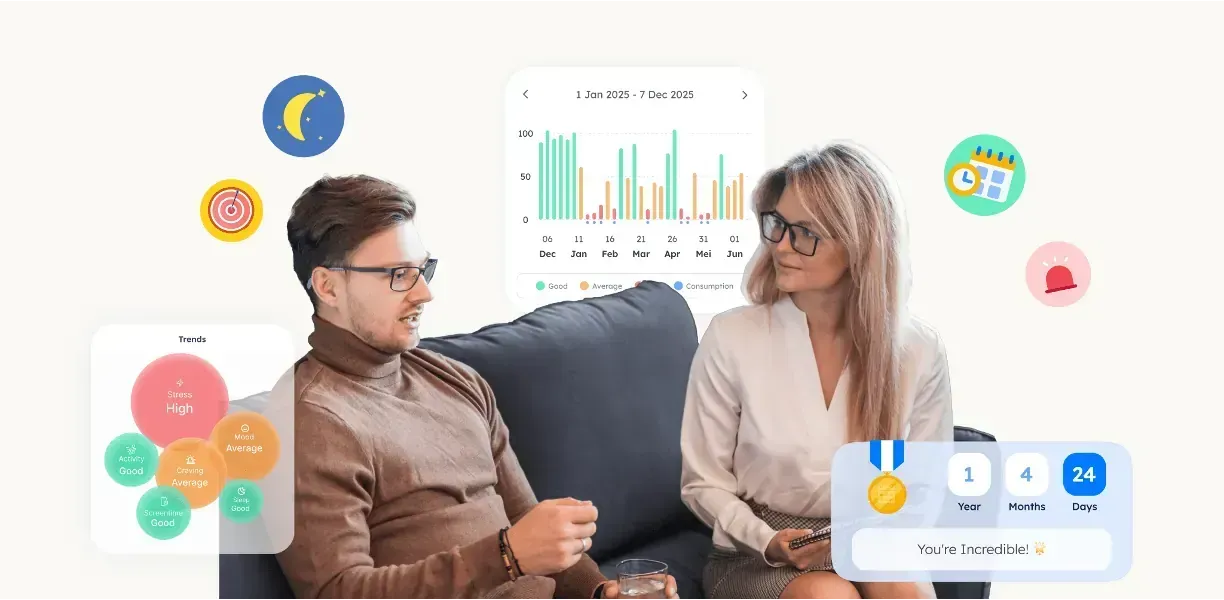
Can Technology Help You Understand Your Triggers in Recovery?
Triggers do not disappear when the using stops. How digital tools help you recognise your own patterns and see what sets them off in ordinary daily life.

Creating a Recovery-Friendly Home: Building Stability and Calm
Your home decides how easy the healthy choice is. Practical changes to routine, clutter and space that make daily life in recovery less of a strain.

How Much Is Too Much? A General Discussion and Guidelines
No guideline can tell you your own limit. What matters is how alcohol affects your sleep, mood and choices, and what that pattern is telling you.

The Role of Routine in Maintaining Progress
Routine is not control, it is relief. How steady daily structure stabilises recovery, and why it works against relapse rather than just filling the day.

Redefining ‘Fun’ Without Alcohol or Substance Use
Fun changes when you stop drinking, it does not disappear. Why it feels flat at first, and how to rediscover real enjoyment without substances.

Unpacking the Cycle: How Stress and Burnout Fuel Increased Substance Use
Why substance use climbs when stress and burnout build up, the warning signs worth watching, and practical steps that interrupt the cycle early.
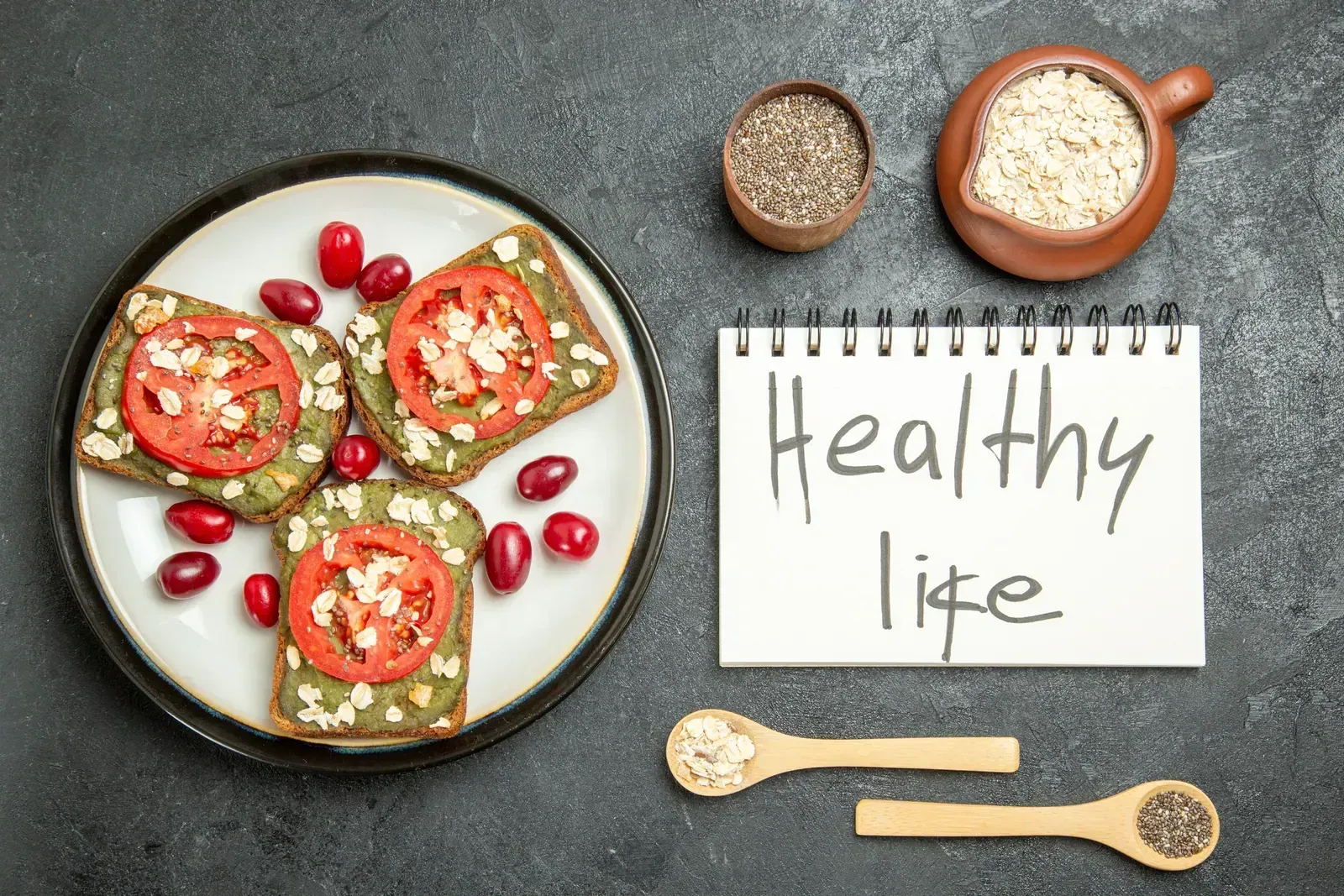
The Role of Nutrition in Emotional Stability and Cravings
Mood swings, low energy and intense cravings often start with what and when you eat. How steady nutrition makes behaviour change measurably easier.
Understanding Addiction Therapy: Your Path, Your Pace, No Shame or Panic
There is no single right addiction therapy. How the main approaches differ, from CBT to peer groups and digital tools, and how to find your own fit.
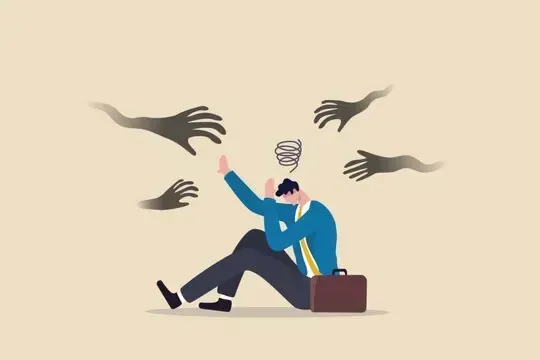
How to Navigate Slips Without Shame or Panic: Your Guide to Sustained Behavior Change
A slip is a moment, not a failure. A calm framework for understanding what happened, responding without self-blame and getting back on track.

How Sleep Impacts Substance Use and Practical Tips to Improve It
Poor sleep intensifies cravings and weakens self-control. How the cycle forms, how to spot it, and which habits actually improve your sleep.
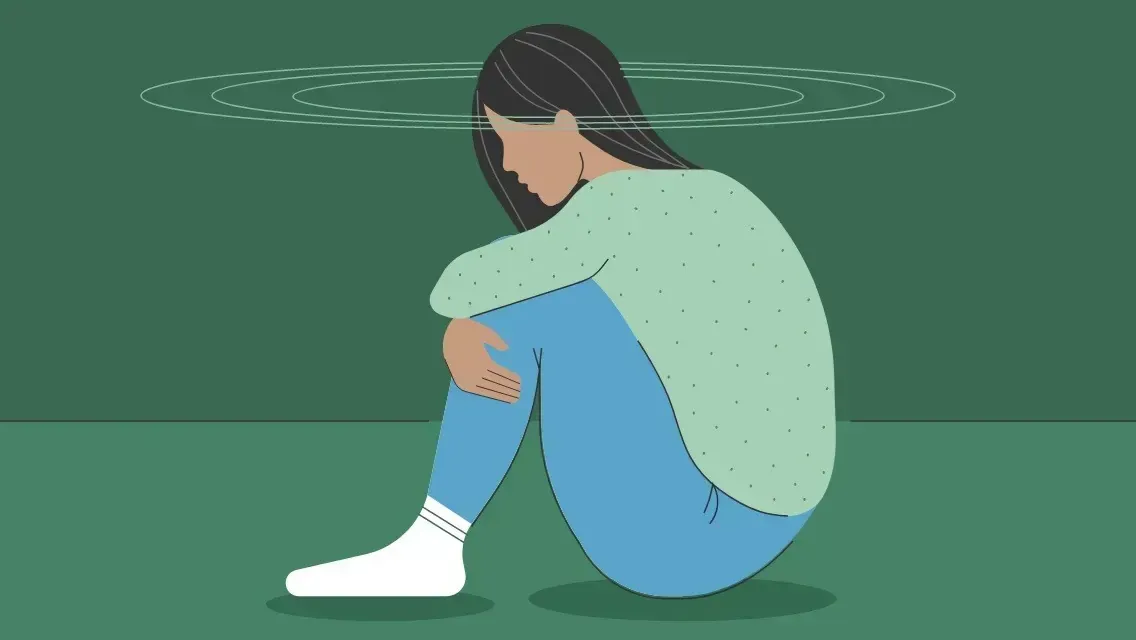
Emotional Triggers: Understanding Why Some Days Are Harder Than Others
Some days in recovery feel harder for no clear reason. Learn what emotional triggers are, see common examples, and how to handle them day to day.

Mastering Sober Social Events: Your Guide to Enjoying Parties Without Alcohol
Sparkling water, mocktails or alcohol-free beer, plus what to say when someone asks. Practical ways to enjoy a party without alcohol and still feel part of it.
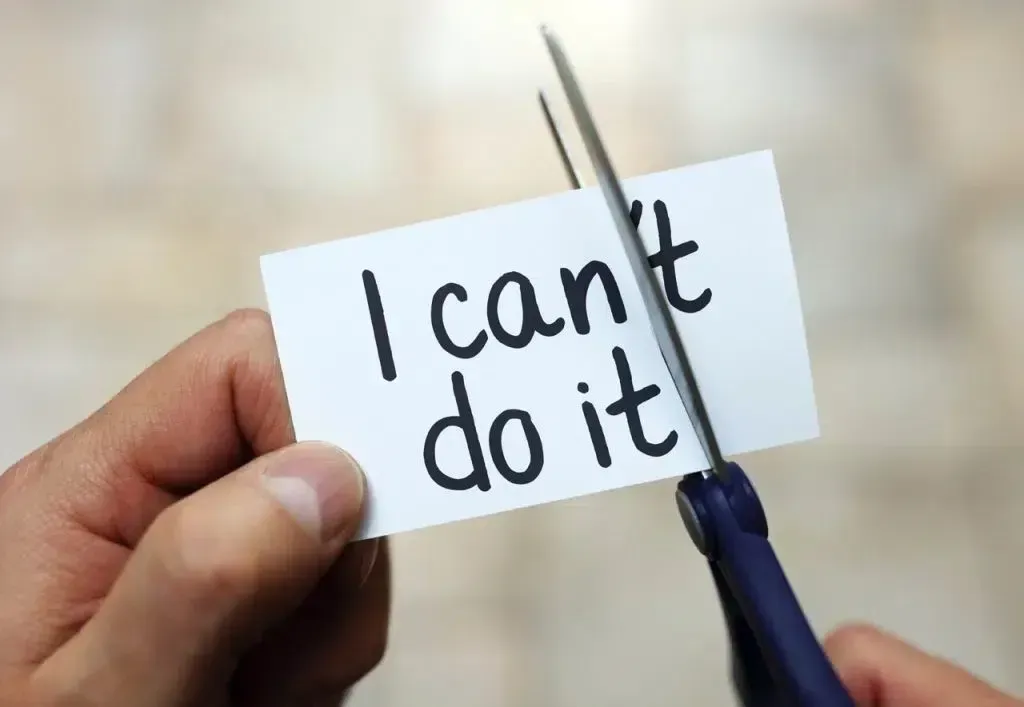
Beyond Willpower: Why Relying on Force of Will Isn't Enough for Sustainable Change
Willpower is a finite resource, and leaning on it alone is why change collapses. What a supported, self-aware approach looks like in practice instead.
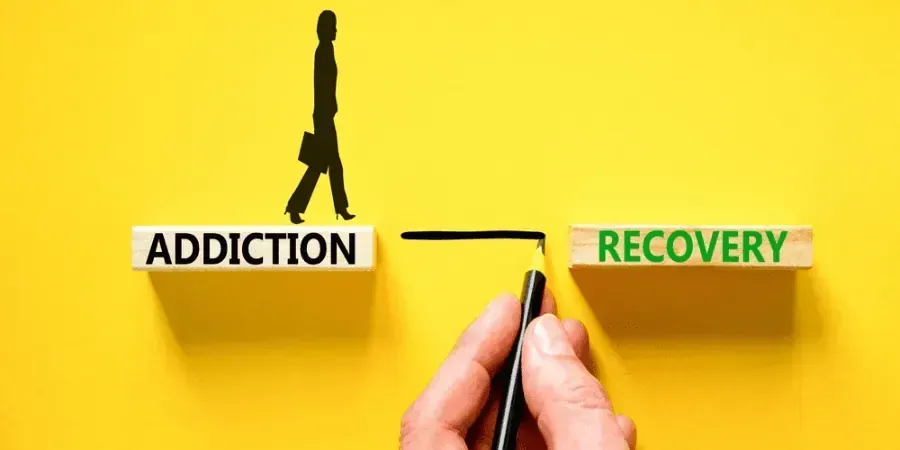
Taking the First Step: A Guide to Addiction Treatment and Support in Germany
Getting addiction treatment in Germany: what your Hausarzt can do, how to find clinics and counselling, and the first steps you can take this week.

How Rehabilitation Clinics Prevent Relapse and Optimise Addiction Aftercare with Digital Solutions
How rehabilitation clinics support patients after discharge, spot relapse risk earlier, and run digital aftercare that delivers measurable results.

Between Clinic and Everyday Life: How coobi and LIFESPRING Private Clinic Build Digital Bridges Together
coobi now supports LIFESPRING Private Clinic patients digitally through the weeks after discharge. What the collaboration looks like in practice.

Alcohol Addiction: Understanding the Problem and Finding Help
Problematic drinking starts long before dependence does. How to recognise it, what it does to the body, and where to find help for it in Germany.

Supporting People Who Want to Reduce Their Substance Use
Watching someone you love try to cut down is hard on everyone. How to help without taking over, and what tends to make the difference for them.

The stigma of addiction: myths, misconceptions, and possibilities
Addiction is a chronic medical condition, not a failure of willpower. Which myths persist, the harm they do, and how the stigma can be countered.