

AlcoholOther topics
Help with alcohol addiction: you don't have to do this alone
If alcohol is taking up more space in your life than you'd like, you are not alone. Here you'll find out what help is available: from your first counselling session through treatment to aftercare.
The information on this page refers to Germany.
A first check
Possible signs that you are drinking too much
Drinking
- Do you sometimes drink more often or more than you intended?
- Have you tried to drink less and found it hard?
Feelings
- Do you reach for alcohol to cope with stress, worries or difficult feelings?
- On days without alcohol, do you feel restless or irritable, or sleep worse?
Daily life and relationships
- Are tasks, relationships or things that mattered to you taking a back seat?
- Do you keep drinking even though you notice it harms you or others?
These questions are not a test and not a diagnosis. If you recognise yourself in some of them, talking to your GP or an addiction counselling centre can bring clarity.
How risky is my drinking?Ten short questions from the WHO give you a first assessment, anonymously and in a few minutes.
Take the testIn three steps
The way out of alcohol addiction
Step 1: Find addiction counselling or a clinic
The first step is often the hardest. You don't have to take it alone. Here's what to expect:
- Where to turn
- You can go to your GP or an addiction counselling centre near you (opens in a new tab). If you need help quickly, clinics with an addiction ward are there for you too.
- The first appointment
- In the first conversation you can talk calmly about how you are and what's on your mind. Nobody judges you. Together you work out which next step suits you.
- Confidentiality and anonymity
- What you say stays confidential, because counselling centres are bound by professional secrecy. Many services can also be used anonymously, such as the online counselling service DigiSucht (opens in a new tab) (in German) or the information and tips from Kenn dein Limit (opens in a new tab) (in German).
- Costs
- Addiction counselling is usually free. Visits to your GP are covered by your health insurance.
Step 2: Alcohol detox and rehab
Not everyone needs detox. If you are not yet physically dependent, outpatient counselling or therapy is often enough; a doctor (opens in a new tab) can best assess this. If detox is needed, treatment usually has two parts: during detox your body learns to manage without alcohol again. In rehab, you work out new ways of handling daily life, with support.
- Detox with medical support
- If you have been drinking a lot for a long time, don't stop abruptly on your own, because alcohol withdrawal can be dangerous. With medical support, as an outpatient or in a clinic, it is manageable.
- Rehab and therapy
- Detox can be followed by rehab, often directly from the clinic. There you learn to recognise triggers and find new ways in daily life.
- Outpatient or inpatient
- Rehab can be outpatient, day-patient or inpatient. The counselling centre suggests which form suits you, taking your wishes into account.
- Who pays
- Detox is usually covered by health insurance, rehab usually by the German Pension Insurance. The application needs a medical report and a report from the counselling centre, which helps you with it.
Step 3: Aftercare following addiction treatment
After treatment, daily life begins, and with it situations in which cravings can return. That's why the time afterwards matters so much.
- Aftercare and self-help
- After rehab there is often outpatient aftercare that supports you for a while longer. Ask your clinic or counselling centre about it. Self-help groups also give many people a lot of support.
- Structure in daily life
- A regular routine, exercise, sleep and people who are good for you give you stability. A plan for difficult moments helps when cravings come.
- If you relapse
- Relapses are part of many people's journey and don't mean everything was in vain. Talk to the people supporting you as soon as you can.
- Digital services
- Some clinics use apps such as coobi care from detox onwards and continue them in aftercare.
Support from detox onwards
coobi care: support during and after treatment
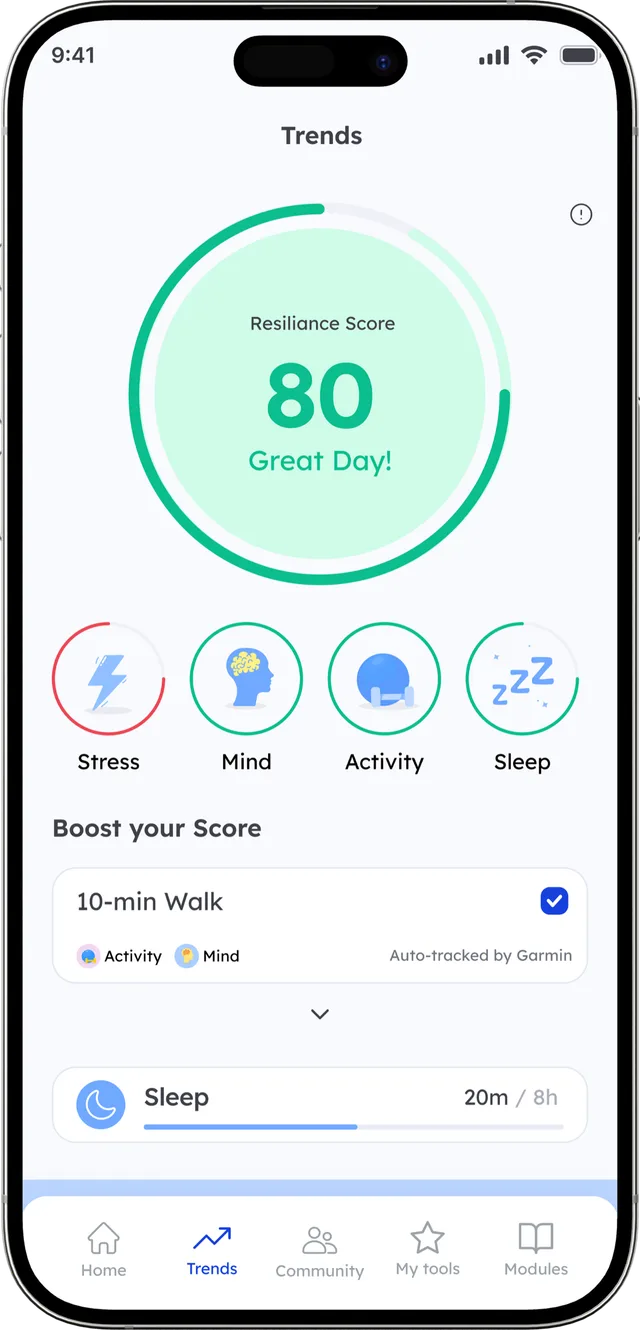
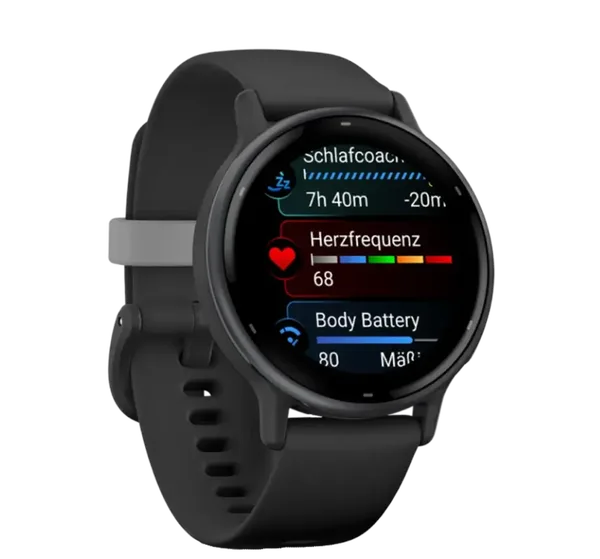
coobi care supports you from detox onwards: during treatment and in the time after. Clinics use the app alongside regular appointments, in treatment and in aftercare.
- SmartwatchThe smartwatch measures sleep, stress and activity.
- Check-ins and exercisesShort daily check-ins and exercises in the app.
- Progress and daily toolsShows your progress and your tools for the day.
Questions and answers
Frequently asked questions
When are you considered addicted to alcohol?
There is no fixed amount. Signs can be strong cravings for alcohol, finding it hard to stop or feeling restless without alcohol. Professionals call this alcohol dependence, an illness that can be treated. Whether you are dependent can be assessed by a doctor. An addiction counselling centre can help you understand your situation.
Where can I find addiction counselling near me?
In the addiction help directory (opens in a new tab) of the German Centre for Addiction Issues (DHS) you can search by postcode. Your GP can also recommend a counselling centre. DigiSucht (opens in a new tab) offers free, anonymous online counselling (in German).
What are the symptoms of alcohol withdrawal, and how long does it last?
The most common symptoms include restlessness, sweating, shaking, sleep problems, nausea or strong cravings. Physical symptoms often ease within a few days to about two weeks; sleep problems or cravings can last longer. After long and heavy drinking, serious complications can occur. That's why withdrawal should be medically supervised.
Can I detox from alcohol at home?
That depends on how much and how long you have been drinking and on your health. Only a doctor can judge that. Sometimes detox in a clinic is safer. Get medical advice and don't simply stop abruptly.
What is addiction rehab, and who pays for it?
Addiction rehab lasts several weeks, or a few months as an outpatient, and helps you find new ways in daily life. It can be outpatient, day-patient or inpatient. In many cases the costs are covered by the German Pension Insurance or health insurance. Afterwards there are aftercare services.
How can I avoid a relapse after treatment?
Aftercare, self-help, a plan for moments with cravings and people you can call all help. If a relapse does happen, it is not a failure. Talk to the people supporting you as soon as you can.
What our users say
“My favourite feature of the app is the evening check-in. It makes me re-evaluate my day, which helps me understand the state I am in.”
“For me, all the strategies for dealing with cravings are really valuable.”
“The product is easy to use and the design is clean. The trends on the home screen help me understand my behaviour patterns.”



Notes
The information on this page is meant to give you orientation. It does not replace a personal conversation with a doctor or therapist and is not intended for self-diagnosis or self-treatment. The same applies to the coobi care app: it does not replace treatment or advice. Processes, costs and services refer to Germany and may differ in Austria and Switzerland.