

CannabisOther topics
Quitting cannabis: help with cannabis dependence
If smoking weed is taking up more space in your life than you'd like, you are not alone. Here you'll find out what help is available: from your first counselling session through treatment to aftercare.
The information on this page refers to Germany.
A first check
Possible signs that you are using too much cannabis
Use
- Do you smoke more often or more than you intended?
- Have you tried to smoke less and found it hard?
Feelings
- Do you need cannabis to switch off, fall asleep or cope with difficult feelings?
- On days without cannabis, do you feel restless or irritable, or sleep worse?
Daily life and relationships
- Are school, work, friends or hobbies taking a back seat?
- Do you keep smoking even though you notice it harms you or others?
These questions are not a test and not a diagnosis. That cannabis is legal for adults in Germany under certain conditions says nothing about whether using it is harmless for you.
How risky is my cannabis use?Eight short questions give you a first assessment, anonymously and in a few minutes.
Take the testIn three steps
The way out of cannabis addiction
Step 1: Find addiction counselling
The first step is often the hardest. You don't have to take it alone. Here's what to expect:
- Where to turn
- You can go to an addiction counselling centre near you (opens in a new tab) or your GP. Many counselling centres have services especially for young people and for cannabis.
- The first appointment
- In the first conversation you can talk calmly about how you are. Nobody judges you. Together you look at what you'd like to change and which next step suits you.
- Confidentiality and anonymity
- What you say stays confidential, because counselling centres are bound by professional secrecy. Many services can also be used anonymously, such as the online counselling service DigiSucht (opens in a new tab) (in German). Information on effects and risks is available at cannabispraevention.de (opens in a new tab) (in German).
- Costs
- Addiction counselling is usually free. Visits to your GP are covered by your health insurance.
Step 2: Cannabis withdrawal and therapy
With cannabis, inpatient detox is rarely needed. Outpatient counselling or therapy is usually the focus.
- Withdrawal symptoms
- When quitting, sleep problems, irritability, restlessness and cravings are especially common. They can be hard to bear, but usually ease after a few days to a few weeks.
- Outpatient counselling and therapy
- Counselling centres offer programmes especially for cannabis problems. There you learn to recognise triggers and shape daily life without cannabis.
- If more is needed
- With heavy use, other substances or mental health problems, treatment in a clinic or rehab can make sense. A doctor (opens in a new tab) is the best person to discuss this with; the counselling centre helps you apply.
- Who pays
- Counselling is usually free. Therapy or rehab is usually covered by health insurance or the German Pension Insurance.
Step 3: Aftercare following addiction treatment
After quitting, daily life begins, with friends, stress and situations in which cravings can return. That's why the time afterwards matters so much.
- Aftercare and self-help
- After treatment there are often aftercare appointments. Ask your counselling centre or clinic about them. Self-help groups, in person or online, also give many people support.
- Structure in daily life
- Sleep, exercise, new evening routines and people who are good for you give you stability. A plan for difficult moments helps when cravings come.
- If you relapse
- Relapses are part of many people's journey and don't mean everything was in vain. Talk to the people supporting you as soon as you can.
- Digital services
- Some clinics use apps such as coobi care from detox onwards and continue them in aftercare.
Support from detox onwards
coobi care: support during and after treatment
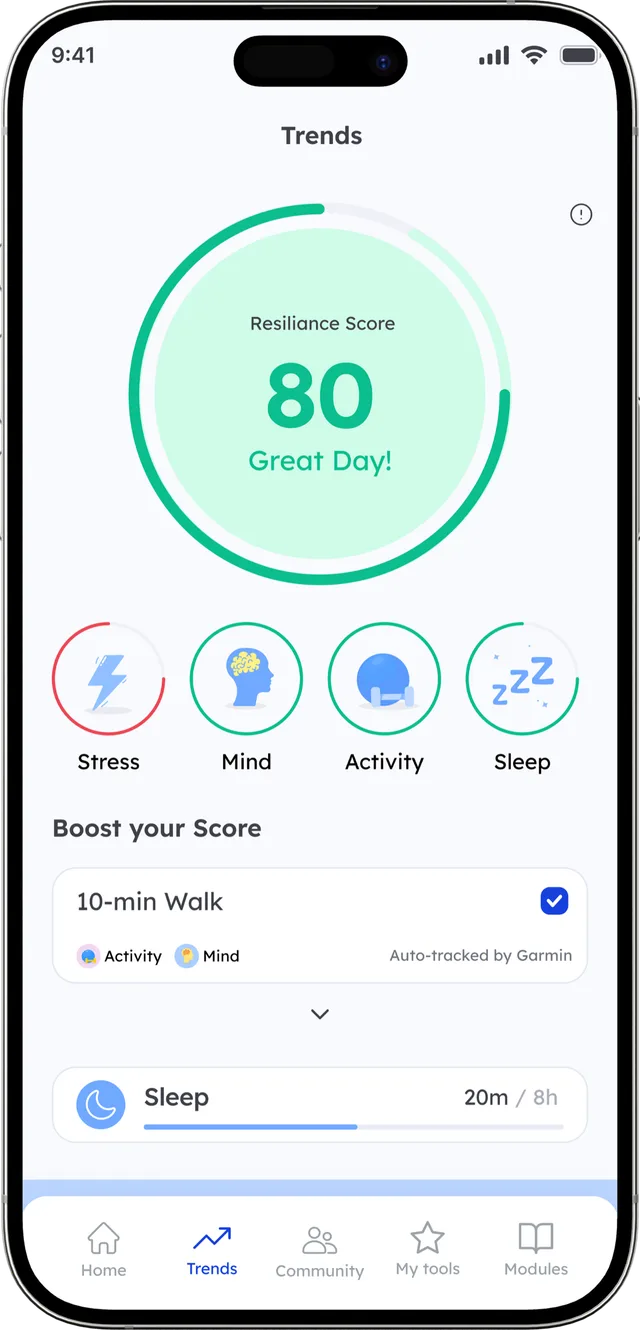
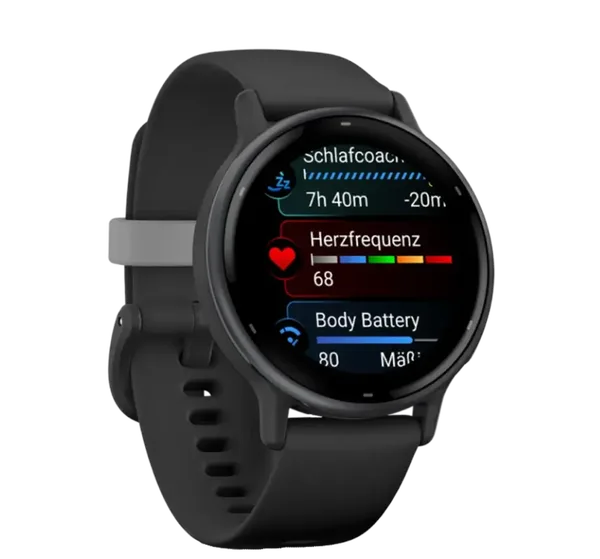
coobi care supports you from detox onwards: during treatment and in the time after. Clinics use the app alongside regular appointments, in treatment and in aftercare.
- SmartwatchThe smartwatch measures sleep, stress and activity.
- Check-ins and exercisesShort daily check-ins and exercises in the app.
- Progress and daily toolsShows your progress and your tools for the day.
Questions and answers
Frequently asked questions
When are you considered dependent on cannabis?
There is no fixed limit. Pay attention if cravings for cannabis become strong, if you find it hard to smoke less, or if you carry on even though it harms you. Frequent use and starting young increase the risk. Whether you are dependent can be assessed by a doctor. An addiction counselling centre can help you understand your situation.
How can I stop smoking weed?
Some people find it helps to cut down first and plan fixed days without cannabis; others prefer a clear stop. Addiction counselling can support you, confidentially and usually free of charge.
What are the withdrawal symptoms, and how long does withdrawal last?
Sleep problems, restlessness, irritability, low appetite and strong cravings are common. Symptoms often ease after a few days to a few weeks; sleep problems can last longer. Cannabis withdrawal is usually not dangerous, but it is hard. If you feel unwell, talk to a doctor.
Can cannabis cause psychosis?
In some people cannabis can trigger or promote psychotic symptoms, especially with frequent use, very strong products, starting young or a predisposition. If you perceive things others don't, seek medical help; in an emergency call 112.
How long can THC be detected?
That depends on how often and how much someone uses, and on the type of test. With regular use, THC can be detected much longer than after a single use. Special rules apply to driving; official bodies provide current information.
How can I avoid a relapse after quitting?
Aftercare, self-help, new routines and a plan for moments with cravings all help. If a relapse does happen, it is not a failure. Talk to the people supporting you as soon as you can.
What our users say
“My favourite feature of the app is the evening check-in. It makes me re-evaluate my day, which helps me understand the state I am in.”
“For me, all the strategies for dealing with cravings are really valuable.”
“The product is easy to use and the design is clean. The trends on the home screen help me understand my behaviour patterns.”



Notes
The information on this page is meant to give you orientation. It does not replace a personal conversation with a doctor or therapist and is not intended for self-diagnosis or self-treatment. The same applies to the coobi care app: it does not replace treatment or advice. Processes, costs and services refer to Germany and may differ in Austria and Switzerland.